
How to Start a Box Truck Business
Learning how to start a box truck business is one of the most accessible ways to enter the logistics and delivery industry. With strong demand for last-mile delivery, small residential moves, and short-haul freight, a single box truck can generate consistent revenue when supported by a solid business structure. This guide covers everything from defining your services and creating a box truck business plan to estimating your box truck business start up cost, organizing finances, and securing long-term customers.
Understand What a Box Truck Business Is
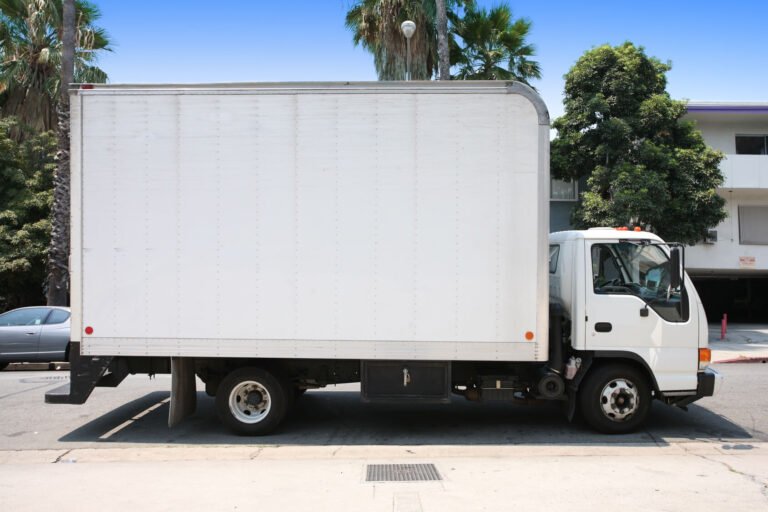
A box truck business uses medium-sized trucks with a fully enclosed cargo box to transport goods. These trucks are larger than cargo vans but significantly easier to manage than semi-trailers. Because of their size and flexibility, box trucks are used for a wide range of services including local deliveries, apartment moves, retail drop-offs, and warehouse-to-store freight.
Many owners start with one truck and expand into multiple vehicles as demand grows. The versatility of box trucks means you can serve local businesses, families, and commercial clients without major infrastructure.
Define Your Niche and Service Model
Before buying a truck, clarify what type of work you want to focus on. This early decision shapes your marketing strategy, pricing, daily workflow, and long-term goals.
Some entrepreneurs focus on retail and e-commerce delivery, handling same-day or scheduled routes for local stores. Others specialize in residential moves and furniture delivery, which often bring higher ticket jobs but require careful handling. Short-distance freight hauling is another common path, ideal for clients needing warehouse transfers or consistent B2B logistics. Many new operators choose a mixed model to keep their schedule full while they learn which services are most profitable.
Having a clear niche helps you stand out, build a reputation, and create predictable income streams.
Build a Box Truck Business Plan
A strong box truck business plan guides your decisions and sets realistic expectations. The plan should outline your services, target customers, local competitors, and unique selling points. It should also detail projected expenses, estimated revenue, and opportunities for growth.
Your plan is also the place to calculate your box truck business start up cost. This includes the vehicle purchase or lease, fuel, insurance, maintenance, permits, equipment, and initial marketing. A well-structured plan not only helps you stay organized but also prepares you for lender conversations if you ever need financing.
Register Your Business and Complete Legal Requirements
Once your plan is established, formalize your business. Many box truck owners create an LLC to protect personal assets. You’ll also need an EIN for taxes and a dedicated business bank account to separate personal and business finances.
Depending on your state and the weight of your truck, you may not need a CDL. Many box trucks under 26,000 pounds fall outside CDL requirements, making entry even more accessible. However, you must secure proper insurance, obtain permits if required, and comply with local transportation laws.
Estimate Your Box Truck Business Start Up Cost
Startup costs vary widely, but the truck itself is the largest expense. Newer or larger trucks cost more, while used trucks are budget-friendly but may require more maintenance. Beyond the truck, expect expenses such as fuel, tires, basic moving tools, safety equipment, and software for scheduling or route planning.
Marketing expenses—such as a website, branding decals, or advertising—also play a role. While costs can vary, many operators are surprised by how attainable starting a box truck business can be when they begin lean and scale gradually.
Purchase the Right Truck and Necessary Equipment
Selecting the right vehicle is one of the most important decisions you’ll make. Truck length, fuel efficiency, weight capacity, liftgate availability, and maintenance history all impact your operations. A well-maintained used truck often strikes the balance between affordability and reliability.
Basic equipment includes moving blankets, dollies, straps, and protective padding. This gear keeps both cargo and customers’ property safe. As your business grows, you may invest in upgraded trucks, better equipment, or multiple vehicles to accommodate higher demand.
Build Smooth Operations and a Strong Workflow
Operational efficiency can make or break your box truck business. Establish clear methods for pricing jobs—whether per mile, per load, per hour, or flat-rate. The “best” model depends on your services and local market.
Using route-planning tools and delivery management software can save fuel and reduce delays. Keeping accurate records of jobs, expenses, and customer details helps you understand your financial health over time.
Basic bookkeeping is essential even for small operations. Simple basic accounting principles—tracking income, expenses, fuel, maintenance, and job costs—help you stay profitable, prepared for taxes, and capable of scaling responsibly.
Understand What an Invoice Is and Why It Matters
As your client list grows, many businesses and commercial customers will require invoices for every job. Understanding what is an invoice—a formal document listing services performed, payment due, and job details—helps you appear professional and ensures timely payments.
Invoices also help you stay organized, maintain clean financial records, and resolve any disputes with customers or subcontractors.
Launch Your Box Truck Business and Get First Clients
Once your truck, insurance, and branding are ready, begin accepting jobs. Start with manageable deliveries or small moves to build experience and earn positive reviews. Customer service plays a huge role in logistics: clear communication, punctuality, and careful handling all help build trust.
As clients leave positive feedback and refer others, your schedule will fill more consistently. Many operators find steady work through partnerships with furniture stores, contractors, local retailers, and real estate professionals.
Scale Your Business Over Time
Once demand grows, you can expand by hiring additional drivers, purchasing a second truck, or offering premium services like white-glove delivery or last-mile freight contracts. Technology such as dispatching systems, digital proof-of-delivery tools, and real-time tracking can streamline growth.
Brand reputation is key. Uniform truck branding, consistent service, and clear communication help you build long-term relationships and stand out from competitors.
Final Thoughts
Understanding how to start a box truck business is the first step toward entering a profitable and growing logistics market. With a strong box truck business plan, a clear understanding of box truck business start up cost, organized financial systems, and professional invoicing, you can build a business that grows steadily and adapts to local demand.
A single box truck can open the door to a flexible, scalable, and stable income stream—one that can expand into a multi-truck operation with the right strategy and service quality.