
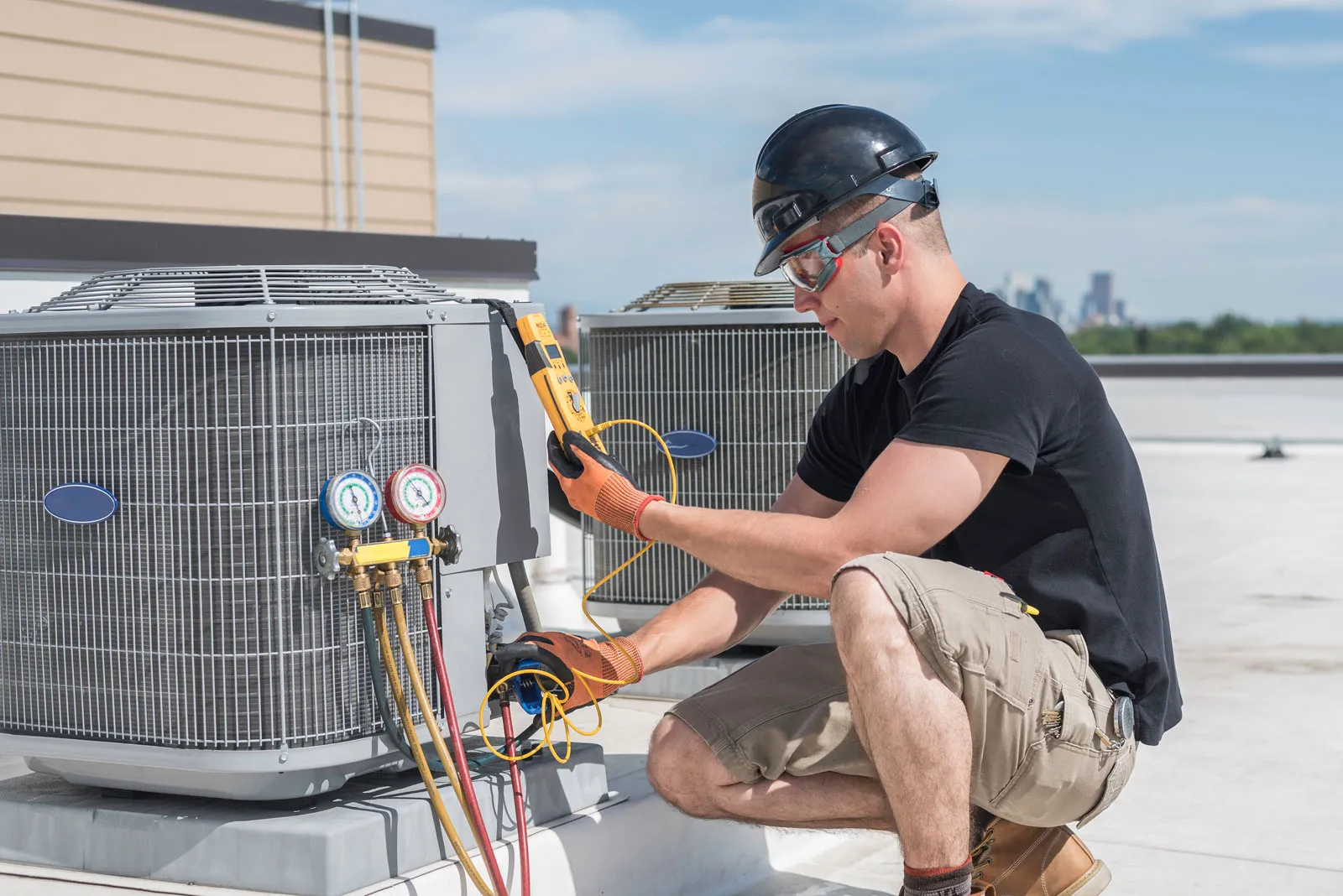
How to Make Money in a Heating and Air Conditioning Business (HVAC)
Running a heating and air conditioning (HVAC) business can be a reliable path to stable income — and for business owners who take planning seriously, a highly profitable one. The HVAC industry benefits from continuous demand, recurring maintenance needs, and long-term customer relationships. With the right preparation, the right HVAC tools, and a strong HVAC business plan, contractors can build a service company that grows steadily year after year.
Recognize Why HVAC Is a Strong Business Opportunity
Unlike many seasonal service industries, HVAC work spans multiple weather cycles. Heating emergencies spike during cold months, and cooling system issues become urgent during hot summers. This dual-season demand means there’s almost always someone who needs help.
HVAC customers also value long-term dependability. They don’t just want quick fixes — they want trusted professionals who can provide ongoing maintenance, honest recommendations, and emergency support when systems fail. This opens the door for recurring income through maintenance contracts, tune-up packages, and long-term service plans.
Diversify Your Service Offerings for Steady Income
Increasing earnings often comes down to offering a mix of services instead of relying solely on installations. Over time, expanding your capabilities allows you to serve more customers with more consistent revenue.
A well-rounded HVAC company may offer:
-
Seasonal or annual maintenance plans
-
Preventive inspections for homeowners and businesses
-
Installation of energy-efficient systems and smart thermostats
-
Emergency repair and replacement services
-
Additional services such as duct cleaning or indoor air quality evaluations
A diversified service menu helps balance seasonal fluctuations and gives customers more reasons to return.
Set Profitable, Transparent Pricing and Know Your Costs
Profitability depends on careful pricing. Your goal isn’t just to get jobs — it’s to ensure each job contributes positively to your bottom line.
This requires understanding your costs thoroughly: labor, materials, travel, and overhead. Good financial habits begin with basic accounting, which helps you monitor cash flow, stay organized, and see which services generate the most profit.
When you price services thoughtfully and consistently, you build a business that earns sustainably — not just seasonally.
Build a Strong Reputation Through Quality Service
In HVAC, reputation is everything. Customers need technicians they can trust with their home systems, and they reward reliability with repeat business and referrals.
Timely service, accurate diagnostics, honest pricing, and respectful communication all contribute to long-term loyalty. When clients know they can depend on you, you create organic growth that reduces the need for heavy marketing.
Good follow-up, honoring maintenance agreements, and keeping clients informed also set you apart from competitors.
Streamline Operations and Improve Efficiency
A profitable HVAC business runs on more than technical knowledge — it runs on strong systems. Scheduling software, inventory tracking, dispatch tools, and organized workflows make your operations smoother and help your team spend more time generating revenue.
Your choice of HVAC tools also matters for efficiency. Quality tools reduce repair time, improve productivity, and enhance your professional image on the job.
Financial organization matters too. Learning basic accounting helps you understand expenses, profitability, and tax responsibilities. As you set up billing systems, knowing what is an invoice will help you create clear, professional documents that keep payments timely and predictable.
Protect Your Company With the Right Insurance
Every HVAC business should assess its risk and secure proper HVAC business insurance. Working with heating and cooling systems involves electrical components, gas lines, rooftop units, and customer property — risks that make insurance essential.
Insurance protects you from unexpected costs, supports your credibility, and is often required when bidding for commercial or large residential projects. Including insurance planning in your HVAC business plan ensures you’re protected as you scale.
How to Market Your HVAC Business Effectively
Competition can be high in HVAC, which makes visibility and trust important. Fortunately, marketing doesn’t have to be complicated.
Strong strategies include:
-
Building a recognizable local presence
-
Encouraging satisfied customers to leave reviews
-
Offering maintenance plans that keep customers returning
-
Using clear branding on vehicles, uniforms, and invoices
-
Sharing seasonal tips or energy-saving advice to establish expertise
Understanding how to market your HVAC business means focusing on credibility, consistency, and helping customers see the value of your services. Local visibility and word-of-mouth often outperform large advertising budgets.
Scale Your Business Strategically
Growth doesn’t happen all at once — it happens through small, purposeful steps. Hiring extra technicians, offering new services, or expanding to commercial contracts can significantly increase revenue, but each step should be planned carefully.
Your HVAC business plan should outline how and when you plan to scale, ensuring you maintain quality while increasing capacity. Training, scheduling, tools, and financial management all evolve as your business grows.
Manage Seasonal Demand and Build Stability
HVAC work naturally shifts throughout the year. Recognizing these patterns lets you prepare for slow periods and maximize busy seasons.
Maintenance plans, efficiency upgrades, and seasonal promotions can help generate income year-round. Smart cash flow management makes your business more resilient — and profitable — long term.
Why Customer Focus and Adaptability Pay Off
The HVAC businesses that thrive are the ones that stay modern, responsive, and people-focused. Customers appreciate honesty, reliability, and clear communication. They remember technicians who do quality work and offer solutions rather than quick fixes.
As systems evolve — from energy-efficient units to smart thermostats — adaptability keeps your business competitive.
FAQ
What kinds of services help maximize HVAC income?
A combination of installations, maintenance plans, emergency repairs, and efficiency upgrades creates recurring revenue and balances seasonal fluctuations.
Is profitability affected by seasonality?
Yes — heating work peaks in winter and cooling work in summer. Offering maintenance and additional services helps smooth income.
How should HVAC companies set prices?
Understand your costs and avoid underpricing. Good pricing covers overhead and rewards your expertise.
What makes customers stay loyal?
Reliability, honest communication, quality service, and good follow-up.
How can I reduce slow-season downtime?
Offer maintenance visits, add-on services, and energy-efficiency consultations. Save during peak seasons and plan ahead.
Can a small HVAC business scale?
Absolutely. With training, planning, and improved operations, small companies can grow into larger, profitable service providers.