
New business owners handle many firsts, and creating an invoice is one of the most important. Understanding what an invoice is—and how to make and use one—sets the foundation for smooth payments, organized finances, and a professional client experience.
What Is an Invoice?
An invoice is a formal document that requests payment for products or services you’ve delivered. It outlines what was provided, how much it costs, and when payment is due. For new business owners, an invoice serves as both a financial record and a practical tool for running day-to-day operations.
Invoices generally:
- Tell a client exactly what they’re being charged for
- Show the total payment due
- Establish the timeline for payment
- Confirm that work or goods were delivered
It is one of the core documents that keeps your business transactions clean and trackable.
Why Invoices Matter for New Business Owners
Invoices help you operate professionally from the start. They give your business structure, clarity, and consistency—qualities clients appreciate.
An invoice is important because it:
- Improves cash flow by giving clients clear payment expectations
- Acts as an official record for accounting and taxes
- Reduces misunderstandings by detailing what was delivered
- Helps you stay organized as your client list grows
When used consistently, invoices strengthen the financial side of your business.
Key Parts of an Invoice
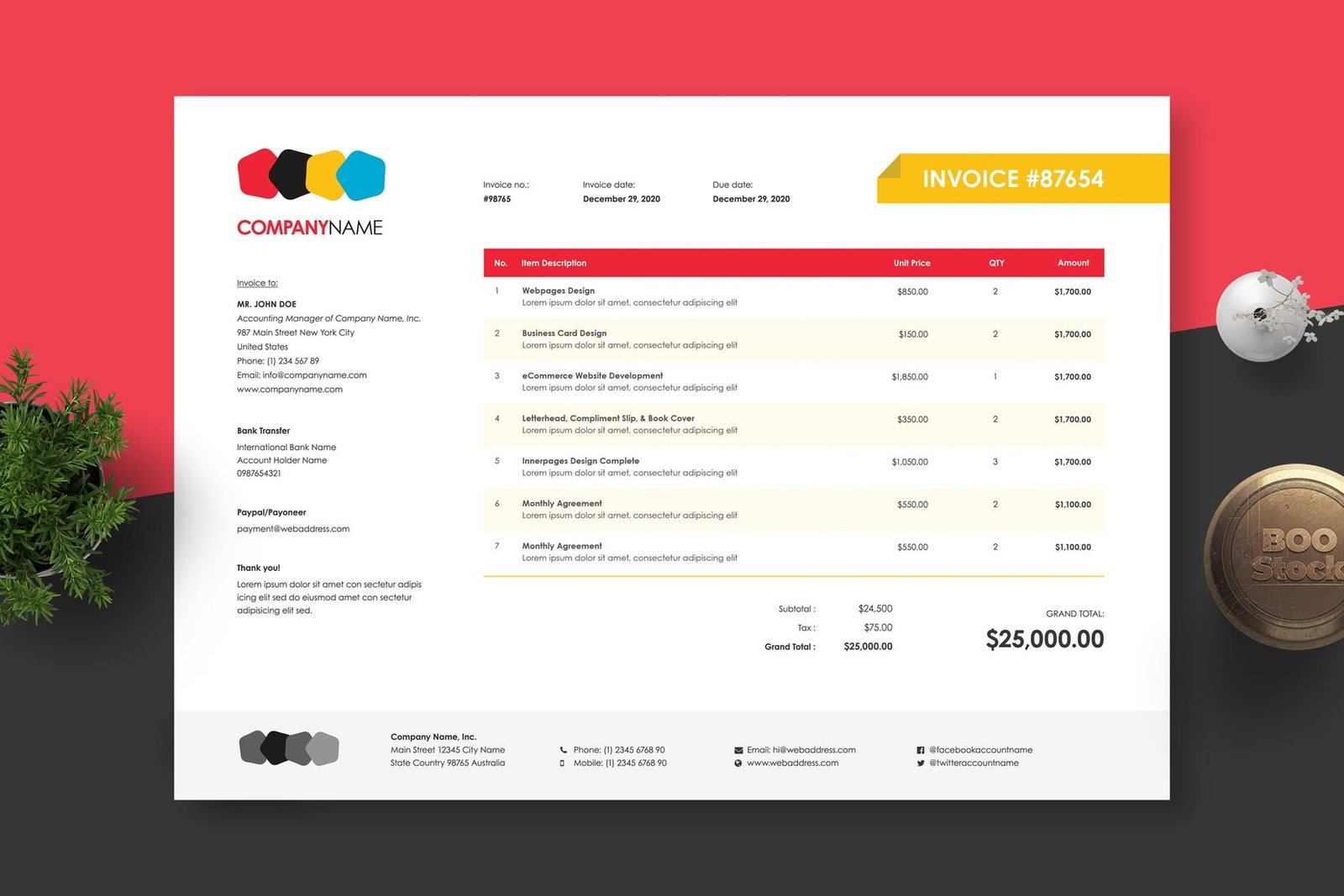
A well-structured invoice includes several essential components. Each part plays a role in helping the client understand what they owe and why.
Key elements include:
- Your business information: name, address, email, and phone number
- Client information: the individual or company receiving the invoice
- Invoice number: a unique identifier that helps track payments
- Invoice date and due date: the timeline for payment
- Itemized list of services or products: descriptions, quantities, rates, and totals
- Subtotal, taxes, and total amount due
- Payment terms and instructions
- Notes or project details
These components make your invoice clear, transparent, and easy for clients to process.
How to Make an Invoice
You can create an invoice using simple tools or software built for beginners. Choose the method that fits your business size and workflow.
Templates
Word processors and design tools offer easy-to-use invoice templates. Add your branding and update fields as needed.
Spreadsheets
Excel or Google Sheets give you structure and built-in calculations. This option works well if you prefer hands-on control.
Invoicing Software
Platforms designed for invoicing help automate numbering, reminders, and payment tracking. They’re useful when you begin working with multiple clients.
Basic Steps to Create an Invoice
- Add your business and client details
- Assign an invoice number
- List each product or service with a clear description
- Include quantity, rate, and line-item totals
- Add tax if applicable
- Provide the final total and payment terms
A consistent format helps clients recognize your invoices and pay them faster.
How to Use Invoices in Daily Business Operations
Invoices become a natural part of your workflow once you send them regularly. They support your business in more ways than just requesting payment.
Practical daily uses include:
- Sending invoices promptly after delivering a product or completing a service
- Following up when a due date passes
- Recording payments to keep your books accurate
- Storing invoices to track sales, analyze income, and prepare for taxes
- Checking outstanding invoices to spot overdue balances
Using invoices consistently builds healthy financial habits early in your business journey.
Common Mistakes to Avoid
New business owners often run into avoidable invoicing issues. Being aware of them helps you prevent delays and confusion.
Watch out for:
- Missing payment terms
- Vague descriptions of work or services
- Skipped invoice numbers
- Poor layout or difficult-to-read formatting
- Delayed invoice delivery
Correcting these mistakes improves clarity and speeds up payment.
Tips for Faster Payments
Improving the way you create and send invoices helps clients pay sooner and with fewer questions.
Consider using:
- Multiple payment options
- Clear and simple invoice layouts
- Automated reminders for past-due payments
- A friendly note to personalize the experience
- Payment terms that set expectations from the start
Small changes in your invoicing process can have a major impact on how quickly money reaches your business.
Final Takeaway
Understanding what an invoice is gives you more control over your business operations. It helps you communicate clearly with clients, stay organized financially, and maintain consistent cash flow. With the right structure and habits, invoicing becomes a straightforward part of running your business.
Understanding invoices also ties directly into basic accounting, since every invoice you send becomes part of your business’s financial record. Learning how to track income, record expenses, and organize your books early on makes managing cash flow much easier as you grow. For a simple overview that helps new business owners get started, see our post on basic accounting for your business.