
Lawn Care Business Plan Outline
Creating a clear lawn care business plan outline is one of the smartest steps you can take when starting or growing a lawn care business. A strong plan helps you understand your market, organize your services, project your financial needs, and prepare for real-world challenges. It becomes the framework that guides your decisions—even as your business expands.
Many new lawn care owners start with the basics: a mower, a handful of clients, and a desire to build a reliable income. But when you organize your ideas into a structured plan, you gain clarity, confidence, and a roadmap for long-term growth. A well-built business plan also shows professionalism, which can help with financing, partnership opportunities, and attracting commercial clients.
Why a Lawn Care Business Plan Outline Matters
A business plan outline helps you transform your ideas into a practical strategy. It defines what services you want to offer, who your customers will be, what equipment you need, and what financial goals you want to reach. Without a plan, it’s easy to make decisions based on urgency instead of strategy.
This planning stage also helps you prepare for the foundational pieces of your business—understanding startup costs, managing cash flow, choosing lawn care tools, and knowing when to invest in lawn care business insurance. When everything is organized in one place, it becomes far easier to operate with intention rather than guesswork.
Defining Your Services and Ideal Clients
Your business plan should begin with clarity about the services you want to offer. Some owners focus on weekly mowing; others prefer a broader range that includes trimming, fertilizing, hedge care, or seasonal cleanups. Defining your services early helps you maintain consistency and avoid overwhelming your schedule.
Next, your outline should identify who you want to serve—homeowners, rental property managers, or small commercial clients. Each group has different needs, expectations, and pricing models. The better you understand your ideal client, the easier it is to build a business that fits your strengths.
Choosing the Right Lawn Care Tools
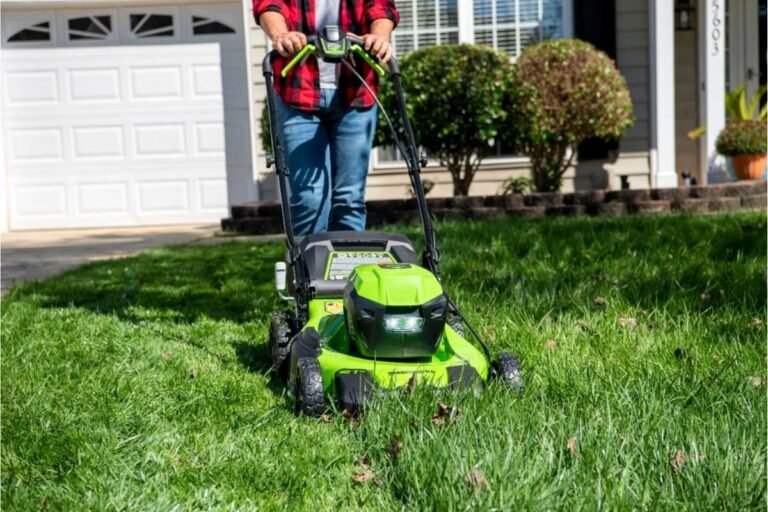
Your equipment setup is one of the most important parts of your lawn care business plan outline. The tools you choose affect your efficiency, your workload, and the types of yards you can take on. Most new businesses start with essential lawn care tools such as a mower, string trimmer, and blower. As demand grows, you can add hedge trimmers, edgers, or more advanced equipment.
It’s helpful to think about equipment costs, storage, maintenance, and upgrades while writing your plan. Planning ahead prevents overspending and ensures you can reinvest in better tools as your business grows.
Preparing for Financial Management
Every lawn care business needs a simple but effective financial system. Even if you’re a solo operator, it’s helpful to learn the basics of budgeting, pricing, and tracking expenses. This is where basic accounting plays an important role. Understanding your income, your costs, and your tax responsibilities helps you make smarter decisions and avoid surprises.
In this section of your plan, you can also outline how you will handle client billing. Knowing what is an invoice—and how to create and send one—helps you stay organized and ensures you get paid on time. Including your invoicing workflow in your plan sets clear expectations for how you’ll manage payments from day one.
Protecting Your Business With Insurance
A complete lawn care business plan outline should address how you’ll protect your operation. Lawn care business insurance is a critical part of risk management. Even with careful work habits, unexpected accidents can occur—ranging from equipment damage to property issues. Insurance provides financial protection and shows clients that you operate responsibly.
Listing your insurance needs in your plan helps you stay compliant, professional, and prepared for larger commercial opportunities that may require proof of coverage.
Marketing and Growth Strategy
Every successful lawn care business relies on repeat customers and consistent visibility. Your plan should outline simple ways to attract clients, such as working within your neighborhood, using local referrals, or sharing before-and-after photos.
Growth doesn’t need to happen quickly. Many owners expand gradually, adding tools, helpers, or specialty services as demand increases. Including your future goals in your plan gives you a direction to work toward rather than growing without intention.
Putting It All Together
A well-structured Business Plan Outline ties each part of your business together—from tools to finances to services. It becomes a working document that evolves as your business grows. When you revisit it regularly, you can adjust your goals, add new services, and refine your processes to stay competitive.
Your lawn care business plan outline doesn’t need to be complex. It simply needs to be clear, organized, and aligned with your long-term goals. With the right tools, thoughtful planning, and reliable insurance in place, you’ll be ready to build a lawn care business that grows steadily and confidently.