
Insurance for Junk Removal Business
Running a junk removal business involves heavy lifting, driving fully loaded vehicles, hauling debris, and entering customer homes or job sites—all of which create real risk. That’s why insurance for junk removal business operations is not optional. It’s a core safety net that protects you, your customers, your employees, and the future of your company.
Whether you’re just starting out or already operating a junk removal truck fleet, understanding the right insurance policies is essential for long-term success. This guide breaks down the coverage you need, how much it typically costs, and how insurance impacts your business model.
Why Insurance Matters for a Junk Removal Business
Junk removal is a hands-on industry with unique risks. You’re often moving large appliances, hauling debris, navigating tight spaces, and driving heavy vehicles. Even a single incident—like dropping an item on a customer’s floor or getting into an accident with your junk removal truck—can lead to thousands in damages.
The right insurance protects your business from:
- Property damage claims
- Customer injury claims
- Vehicle accidents
- Equipment damage
- Employee injuries
- Legal and settlement costs
Without coverage, one unexpected event can shut a small junk removal business down overnight.
Essential Types of Insurance for Junk Removal Business Owners
Different junk removal businesses require different levels of protection, but most companies start with these core policies.
Commercial Auto Insurance
Your junk removal truck is on the road daily and is your biggest business asset. Commercial auto insurance covers collisions, property damage, injuries, and sometimes even theft. Personal auto insurance does not cover business-related hauling, making this policy mandatory for junk removal.
General Liability Insurance
General liability protects you when something goes wrong at a customer’s property—scratched floors, damaged walls, dropped appliances, or accidental injuries. This is one of the most important types of insurance for junk removal business owners because you handle large, heavy objects in unpredictable environments.
Workers’ Compensation
If you have employees lifting heavy debris or riding in your trucks, workers’ comp is essential. It covers medical expenses and lost wages when team members get injured on the job.
Commercial Property Insurance
If you operate out of a warehouse, storage facility, or office—or if you store your trucks and equipment overnight—you may need coverage for theft, fire, or weather-related damage.
Umbrella Liability Coverage
Some junk removal businesses choose umbrella policies for additional protection beyond standard liability limits, especially as they scale.
How Much Does Insurance for a Junk Removal Business Cost?
Costs depend on your business size, location, vehicle count, and risk level. However, most junk removal businesses can expect:
- Commercial auto insurance: $1,500–$3,500 per truck annually
- General liability insurance: $500–$2,000 annually
- Workers’ compensation: $1,000–$4,000 per employee annually
Larger companies or those with multiple junk removal trucks will pay more but may receive fleet discounts.
While insurance is an investment, it protects your business from much higher financial losses.
How Your Junk Removal Truck Affects Your Insurance Needs
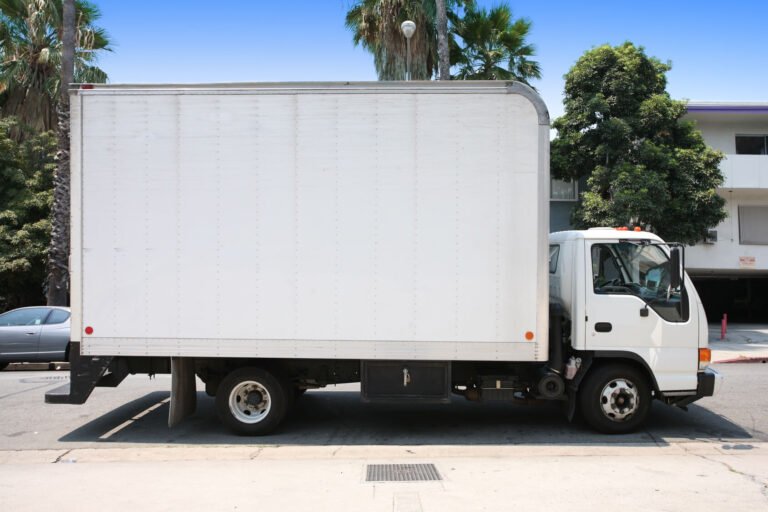
Your vehicle choice directly impacts your insurance plan. A pickup truck with a small trailer is less expensive to insure than a heavy-duty dump truck or box truck. However, larger trucks often allow you to take on more profitable jobs—meaning insurance costs should be viewed as part of your scaling strategy.
Insurers typically evaluate:
- Vehicle weight
- Load capacity
- Commercial use type
- Number of employees riding in the truck
- Daily mileage and service area
Choosing the right vehicle—and maintaining it well—helps lower long-term insurance and repair costs.
Steps to Get Insurance for Your Junk Removal Business
Getting insured is straightforward when you follow a simple process:
- Identify the type of junk removal business you run (residential, commercial, mixed).
- List your vehicles, load capacity, and expected job volume.
- Contact local insurance providers specializing in commercial services.
- Compare quotes, coverage limits, and policy exclusions.
- Purchase insurance before accepting any paid job.
Most landfills, commercial clients, and property managers require proof of insurance before they hire you.
Common Mistakes Junk Removal Businesses Make With Insurance
A surprising number of new junk haulers underinsure themselves because they misunderstand the risks. Avoid these costly mistakes:
- Relying on personal auto insurance for a junk removal truck
- Failing to disclose business use to the insurance company
- Hiring employees without adding workers’ comp
- Not updating policies when adding new vehicles or services
- Skipping liability coverage to save money
Underinsurance is one of the fastest ways for a junk removal business to lose everything.
Do You Need Insurance Before Starting a Junk Removal Business?
Yes—especially commercial auto and general liability. Most jobs involve some level of property access or heavy lifting, and even a minor accident can lead to expensive claims. Getting insured before your first customer not only protects you but also makes your company look more professional.
Final Takeaway
If you run or plan to start a junk removal business, getting the right insurance for junk removal business operations is essential. It protects your junk removal truck, your employees, your clients, and your long-term financial stability. As your company grows, expanding your insurance coverage ensures you can accept bigger jobs, run more vehicles, and operate confidently in a high-demand industry.
With the right insurance foundation and reliable equipment, your junk removal business can scale safely and profitably in any market.