
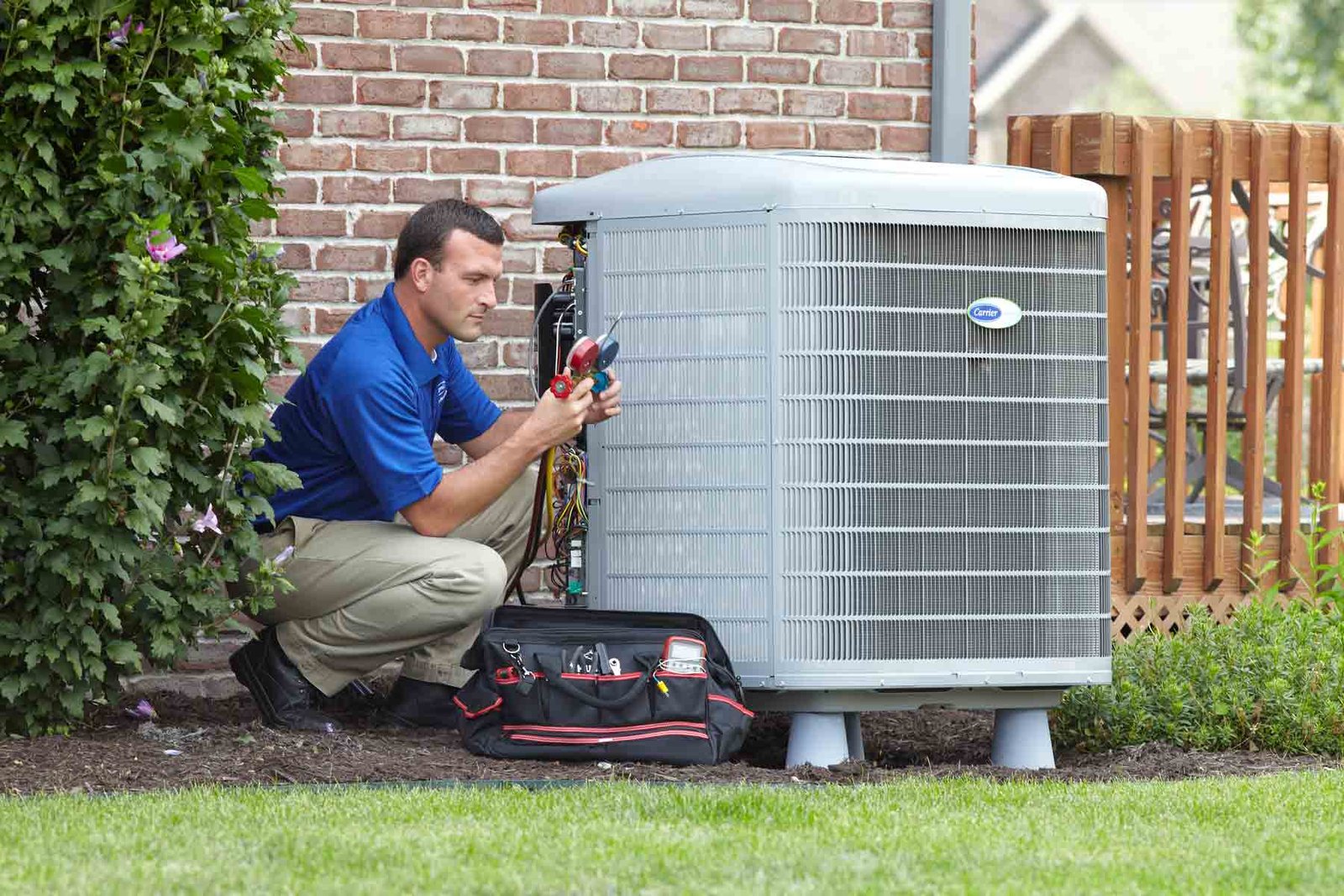
HVAC Business Insurance
Running a heating and cooling company means working with electrical systems, refrigerants, rooftop units, and customer property — all areas where things can go wrong quickly. That’s why HVAC business insurance isn’t optional. It’s one of the most important protections you can put in place when launching or growing an HVAC company. Insurance safeguards your business from liability, equipment issues, and unexpected accidents that could otherwise halt your operations.
Whether you’re building your first hvac business plan or scaling an established team, understanding the role of insurance gives you long-term stability and peace of mind.
Why HVAC Businesses Need Strong Insurance Coverage
HVAC work involves unique risks. Technicians work with pressurized refrigerants, high-voltage electrical components, and heavy HVAC tools — often in tight spaces or on rooftops. One unexpected incident, such as a damaged compressor or accidental property harm, can lead to high out-of-pocket costs.
Insurance protects your business by covering common risks such as:
- Property damage
- Bodily injury
- Equipment issues
- Job-site accidents
The nature of HVAC work makes insurance a practical business requirement rather than a formality.
What HVAC Business Insurance Typically Covers
Most HVAC companies begin with general liability insurance, which protects you if a customer’s property is damaged or if someone is injured during your work. Additional coverage may include:
- Tools and equipment protection
- Commercial auto insurance for work vehicles
- Workers’ compensation if you employ technicians
- Coverage for theft, fire, or loss of HVAC tools
The type of insurance you choose depends on your services, your team size, and the scale of your projects. A well-written HVAC business plan should outline your insurance needs clearly.
How Insurance Fits Into Your HVAC Business Plan
A strong hvac business plan should include a section dedicated to risk management. Insurance helps define your operational readiness — whether you’re taking on residential jobs or bidding for commercial contracts. Many commercial clients even require proof of insurance before allowing contractors on-site.
Insurance also shapes how you price your services. Understanding your insurance costs ensures your pricing remains profitable and competitive.
When you’re planning out your startup expenses alongside your hvac tools, marketing costs, and financial systems, insurance becomes a core piece of your business foundation.
Protecting HVAC Tools and Job-Site Equipment
Your tools represent a significant investment. Manifold gauges, recovery machines, vacuum pumps, and diagnostic equipment aren’t cheap — but they’re essential. Many HVAC business insurance policies offer optional tools and equipment coverage, protecting you from theft, loss, or damage on the job.
Tools are often exposed to outdoor weather, transport, and heavy use. Insurance ensures that a sudden equipment failure doesn’t disrupt your schedule or affect your revenue.
Including this in your HVAC business plan keeps you financially ready for inevitable tool wear or replacement needs.
Insurance and Financial Organization: Invoicing, Accounting, and Cash Flow
Insurance becomes even more effective when paired with good financial habits. HVAC work often involves multiple job sites, seasonal fluctuations, and equipment costs, which makes organization crucial.
This is where basic accounting helps you track income, expenses, maintenance contracts, and slow-season planning. Understanding what is an invoice — and how to create clear, professional invoices — ensures your payment process remains consistent and reliable.
Insurance protects your business from major risks, while accounting and invoicing protect your daily cash flow. Both are essential pillars of a long-term HVAC business plan.
How HVAC Business Insurance Strengthens Your Marketing
A lesser-known benefit of insurance is how it enhances your marketing. Homeowners and commercial clients want reassurance that the contractor they hire is responsible, professional, and safe. Highlighting your insurance coverage in ads, service pages, and customer conversations improves trust immediately.
Understanding how to market your hvac business means recognizing the role insurance plays in your credibility. When customers know you’re fully insured, they’re more likely to hire you — and recommend you — because they feel protected.
Choosing the Right HVAC Insurance Policy
The best insurance for your business depends on your services, your equipment, your employees, and your growth plans. When choosing a policy, consider:
- Whether you work in residential, commercial, or both
- The value of your HVAC tools and vehicles
- Your level of risk exposure
- Your long-term business goals
Talking with an insurance provider who understands trade businesses can help you build the right coverage package.
Final Takeaway
A thoughtful HVAC business insurance strategy protects your company from financial risk, supports your reputation, and strengthens your overall business plan. When combined with reliable HVAC tools, organized financial systems, professional invoicing practices, and strong marketing, insurance helps you build a stable HVAC business that can grow with confidence.