How to Start a Lawn Care Business
Starting a lawn care business is a practical way to earn income while working outdoors, and it’s a type of business that can grow steadily with the right systems in place. Many successful owners begin with simple lawn care tools and a few clients, then expand as demand increases. This guide walks through the essential steps to help you launch confidently and build a sustainable operation.
Understand the Type of Work You’ll Be Doing
Lawn care involves routine outdoor tasks that keep yards looking healthy and well maintained. The work can be physical and often follows a seasonal rhythm, but it becomes predictable once you build a regular customer route. Beginners usually start with mowing, trimming edges, and cleaning up yard debris. As you gain experience, you can add services like fertilizing, hedge trimming, or small landscaping projects.
Choose the Services You Want to Offer
You don’t need to offer everything at once. Many new lawn care businesses begin with a narrow set of services so daily work stays simple and efficient. Weekly mowing is often the core offering, and you can add seasonal tasks such as spring cleanups or fall leaf removal later. Starting small helps you stay consistent and makes it easier to communicate clearly with customers.
Identify Who You Want to Serve
Most lawn care companies grow by serving one or two types of clients consistently. Homeowners are the most common starting point, especially people who don’t have the time or desire to maintain their yard. Rental property owners and small commercial properties also hire lawn care providers regularly. Knowing who you want to support helps shape your pricing, schedule, and marketing.
Set Up the Business Structure and Essentials
Once you know your focus, put a simple business foundation in place. Registering your business name, choosing a structure, and opening a dedicated bank account all signal professionalism. This is also the stage where you protect your operation by securing lawn care business insurance, which can shield you financially if something unexpected happens on a client’s property.
Building strong financial habits early also matters. Even if you’re starting small, familiarizing yourself with basic accounting helps you understand income, expenses, and taxes. Many owners create a simple Business Plan Outline to stay organized and focused during the first year.
If you’re setting up your business systems, understanding what is an invoice becomes an important early step. Knowing how invoices work, what they include, and how to send them ensures your payments stay organized from day one.
Get the Equipment You Need to Begin
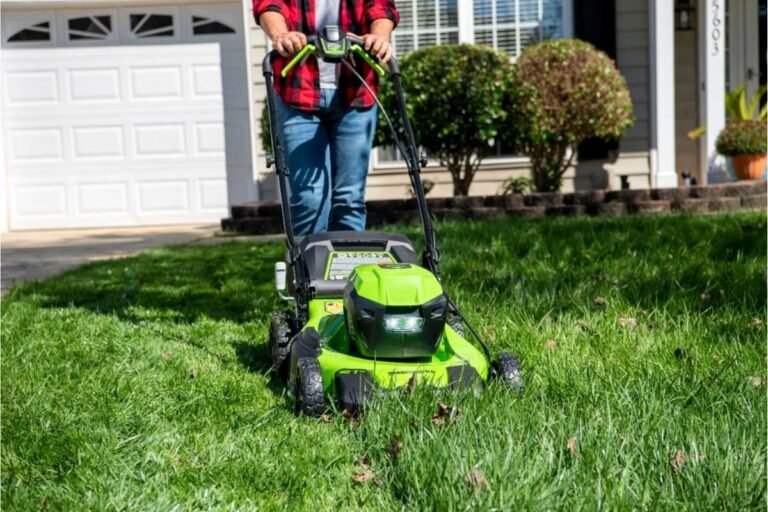
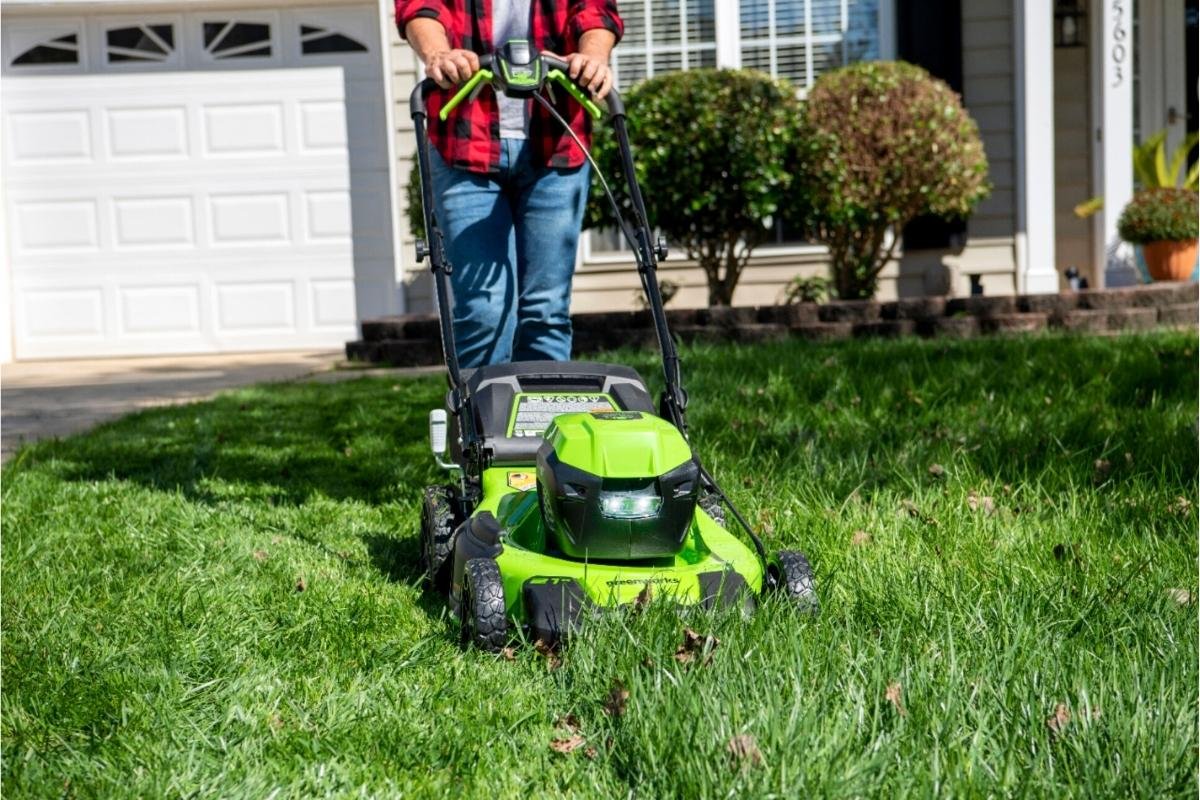
Starting a lawn care business does require tools, but the list doesn’t need to be overwhelming. A reliable mower, a working trimmer, and a blower are often enough for most new businesses. As your customer list grows, you can upgrade equipment or add new tools based on demand. Many owners start with modest gear and reinvest profits into better lawn care tools later.
Decide How You Want to Price Your Services
Pricing becomes easier when you understand your time, effort, and travel. Many lawn care businesses charge based on yard size and how long the job will take. You may also adjust prices based on service frequency, since weekly or biweekly clients typically cost less per visit than someone who calls once a month. Observe how long your early jobs take, then refine your pricing as you gain experience.
Start Finding Clients in a Simple, Local Way
Lawn care grows quickly when local residents know who you are and what you offer. Many businesses get their first clients through neighbors, friends, or local community groups. Being visible in your neighborhood also builds credibility. When people see you working consistently, they remember you. Taking before-and-after photos of your work is a simple way to showcase your results without needing a large marketing budget.
Deliver Reliable, Consistent Service
People hire lawn care providers because they want dependable results. Showing up on time, keeping communication simple, and paying attention to details creates trust. Clean edges, tidy finishing work, and reliable follow-through are often just as important as mowing. When customers know they can count on you, they’re more likely to refer you to others.
Plan for Gradual Growth
Once you have steady clients, you can grow your business in different ways depending on your goals. Some people add new services over time, while others increase the number of yards they maintain each week. Hiring help, adding equipment, or taking on commercial accounts are also common growth steps. It’s usually best to expand slowly and make decisions based on real demand.
Be Aware of the Challenges
Every business has challenges, and lawn care is no exception. Weather delays, equipment maintenance, and physical workload can affect your daily routine. The seasonal nature of lawn care can also create slower months in winter. Many owners handle these challenges by building efficient routes, keeping tools in good condition, and offering seasonal services when possible. Planning ahead—both financially and operationally—helps smooth out these fluctuations.
FAQ
How much money do I need to start a lawn care business?
Most beginners start with a basic mower, trimmer, and blower. Many start small and upgrade equipment as they gain more clients.
Do I need special skills or training?
Basic lawn care can be learned quickly. Over time, you’ll understand grass health, equipment maintenance, and more efficient techniques.
Should I charge per yard or per hour?
Most providers charge per yard because it’s easier for customers and easier for predicting income.
What’s the best way to find early clients?
Local visibility and word of mouth are the strongest approaches for most new lawn care companies.
Can lawn care become a full-time business?
Yes. Many people turn lawn care into a full-time income by expanding services or increasing clients.
How do I manage the seasonal nature of lawn care?
Some owners add seasonal services like leaf cleanup or snow removal, while others save more during peak months.