How to Start a Junk Removal Business
Starting a junk removal business is one of the most practical and profitable service-based ventures for new entrepreneurs. Demand is steady, startup costs are manageable, and once you build a system, it can scale into a multi-crew operation. This guide walks you step-by-step through how to start a junk removal business, choose the right services, set up financial systems, select equipment, build your brand, and grow sustainably.
Decide What Services You’ll Offer and Define Your Niche
Every successful junk removal company starts by clarifying what types of removal jobs it will accept. This influences pricing, equipment needs, disposal methods, and your marketing message.
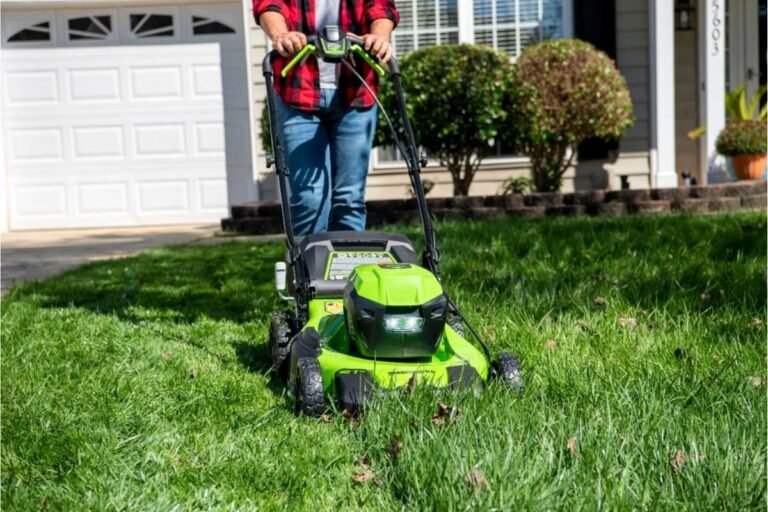
Many new businesses begin with residential cleanouts, helping homeowners clear garages, attics, basements, old appliances, and yard debris. These jobs often involve lighter equipment and simpler logistics. As you grow, you may expand into commercial junk removal, serving real estate investors, landlords, and contractors who need entire properties cleared after evictions or renovations.
Some companies develop a specialty—such as removing appliances, handling renovation debris, or offering eco-friendly pickup that prioritizes recycling and donation. Defining your niche early not only sets you apart but allows you to get the proper permits and equipment for your specific service categories.
Conduct Market Research and Validate Local Demand
Before investing in equipment or branding, study your local market. Look at existing junk removal companies and identify what they offer, how quickly they respond, and what they charge. Pay attention to service gaps—for example, perhaps no one offers same-day pickup or after-hours removal.
Understanding who your ideal customers are is equally important. Homeowners, contractors, property managers, and real estate agents all have different needs and budgets. Check local disposal regulations as well—some areas require special handling for yard waste, appliances, or construction materials.
Good research prevents costly mistakes and gives you a realistic understanding of your earning potential.
Build Your Business Plan and Establish a Legal Structure
A clear business plan is essential if you want your junk removal company to grow steadily. This plan should outline your services, niche, pricing strategy, target audience, branding, and operational workflow. It will also help you estimate startup costs for equipment, fuel, disposal fees, marketing, and truck maintenance.
Choosing a legal structure, such as an LLC or sole proprietorship, affects your taxes and liability protection. Many owners choose an LLC to separate personal and business assets—especially since junk removal involves heavy lifting and transportation, which increases risk.
Understanding Basic Accounting for Junk Haulers
Whether you’re a solo operator or plan to hire help, knowing basic accounting is critical. Tracking fuel costs, disposal fees, equipment purchases, and income ensures you understand your financial health from the beginning. Bookkeeping also prepares you for tax season and helps you calculate your true profit per job.
Understanding What an Invoice Is (and Why It Matters)
In junk removal, you’ll frequently issue invoices to homeowners, contractors, and property managers. Knowing what is an invoice—a formal document listing services performed, prices, due dates, and payment details—helps you get paid on time and maintain organized records for accounting and taxes. Clean invoicing also improves professionalism and credibility.
Calculate Startup Costs, Secure Funding, and Get Insurance
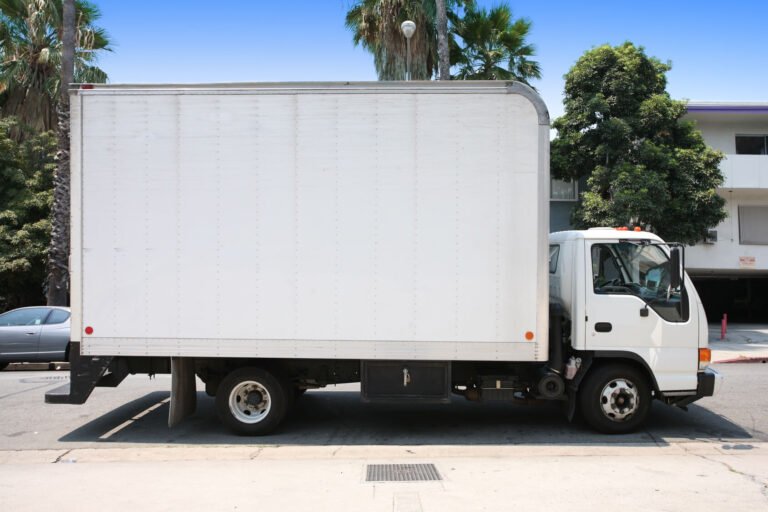
One of the biggest expenses is your vehicle. A dependable junk removal truck is the core of your business. It could be a pickup truck, box truck, or trailer, depending on the type and size of jobs you plan to handle. Starting lean is possible with a used truck, then upgrading as demand increases.
Budget for essential hauling tools such as dollies, tarps, straps, gloves, and safety gear. Also account for disposal facility fees, gas, vehicle maintenance, and marketing.
Insurance for Junk Removal Business
Because junk removal involves lifting heavy items, driving frequently, and entering client properties, proper insurance for junk removal business is essential. Most companies need:
-
General liability insurance
-
Commercial auto insurance (for your truck)
-
Workers’ compensation if you hire employees
Insurance protects you from unexpected accidents, property damage claims, or injuries. It’s a critical part of risk management and should never be skipped.
Acquire Equipment and Build a Streamlined Operational System
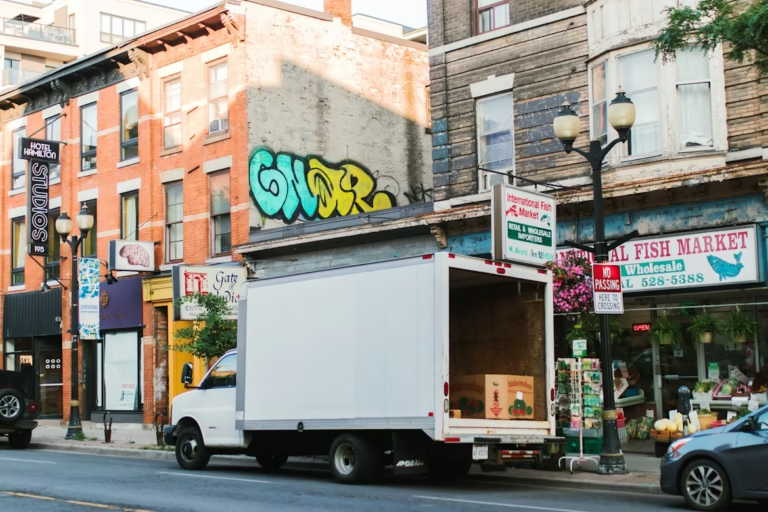
Once funding is secured, invest in tools and workflows that make jobs efficient. Your equipment should match the services you offer. A smaller pickup truck works for residential loads, while commercial jobs require a larger junk removal truck with more capacity.
Operational planning is equally important. Map out where you’ll dispose of items, how you’ll handle recyclable materials, and whether you’ll partner with donation centers. Efficient scheduling, customer communication, and clear job processes reduce downtime and build trust with clients.
Set Your Pricing Structure
Pricing affects profitability and customer satisfaction. Most junk removal businesses charge based on truck space, job size, or type of material. Some offer flat rates for items like mattresses or appliances.
Your pricing should account for fuel, labor, insurance, disposal fees, and vehicle wear. Transparent communication helps clients feel confident in your services and reduces pricing disputes.
Market Your Junk Removal Business and Get First Clients
A strong online presence is crucial. Build a simple website with your services, pricing structure, before-and-after photos, and service areas. Use local SEO strategies to ensure your business appears when people search for “junk removal near me.”
Community engagement is a powerful tool—post in neighborhood groups, local classifieds, home-renovation forums, and moving-related spaces. Build relationships with real estate agents, contractors, and property managers who frequently need reliable junk removal services.
Deliver Excellent Service and Build a Reputation
Your reputation forms the backbone of your business. Arrive on time, communicate clearly, and treat customers’ property respectfully. Dispose of items responsibly and consider offering donation drop-offs for usable goods.
Whenever possible, ask satisfied clients for reviews. Positive ratings increase your visibility on Google and local directories, bringing more business your way.
Scale Your Business as Demand Grows
Once your operation becomes steady, you may consider hiring additional crew members, investing in a second truck, or expanding into related services such as recycling pickup or post-renovation cleanouts.
Use simple scheduling or CRM tools to manage customers, track jobs, and streamline billing. Scaling isn’t just about doing more jobs—it’s about doing them more efficiently and maximizing profitability.
Common Challenges and How to Avoid Them
The junk removal industry has its hurdles. Not securing the proper permits can lead to fines. Underestimating labor or disposal costs can shrink profits. Overbooking can lead to burnout and poor reviews. Like any business, the key to longevity is planning, consistency, and maintaining compliance with waste-disposal laws.
Final Thoughts
A junk removal business offers a straightforward path to entrepreneurship with strong demand and scalable growth potential. By choosing your niche, understanding your startup costs, developing a solid business plan, managing your finances with basic accounting, using professional invoices, securing a reliable junk removal truck, and getting the right insurance for junk removal business, you position yourself for long-term success.
With commitment and strategy, what starts as a single truck and a few clients can quickly become a thriving local service business.