Best Camera For Photography
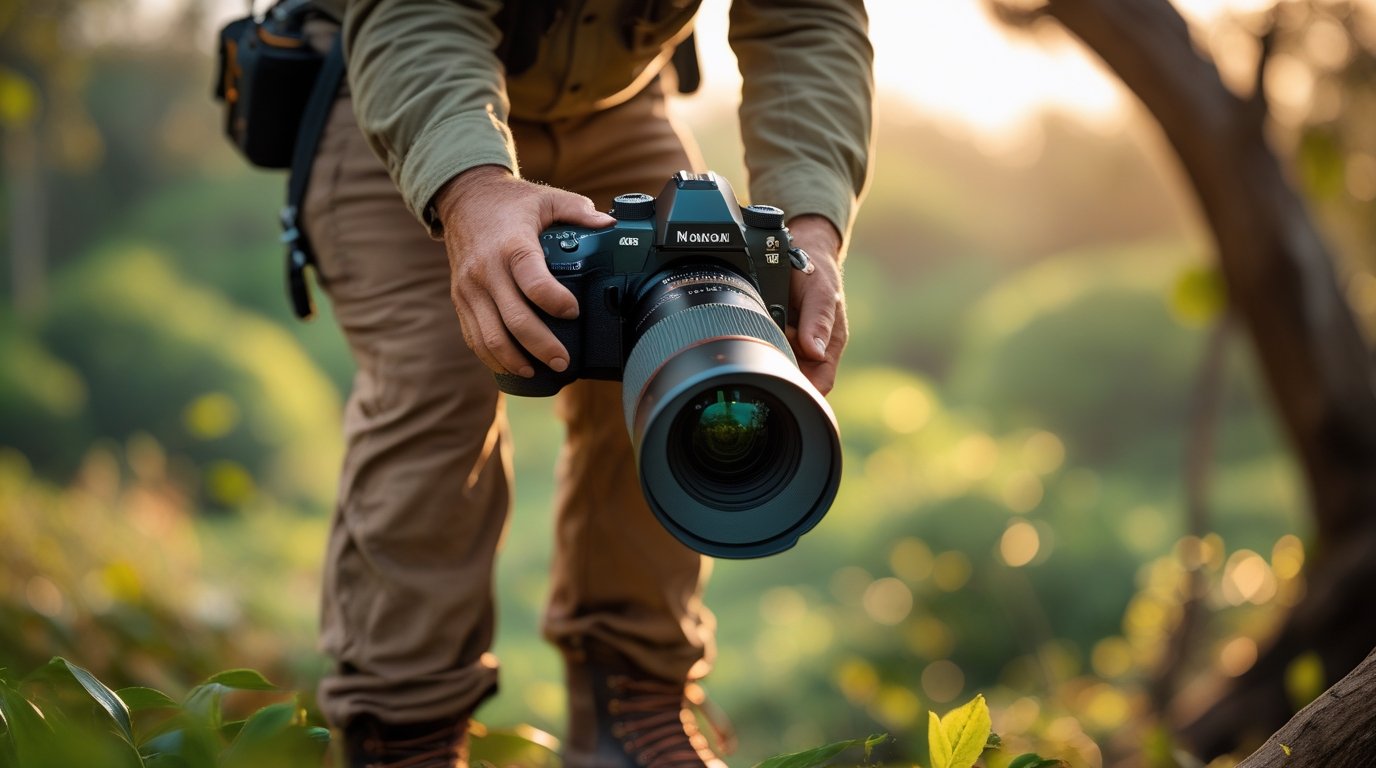
Finding the best camera for photography is one of the first big decisions photographers make, whether they’re just beginning or leveling up toward professional work. The right camera isn’t simply the most expensive or feature-packed model—it’s the one that supports your creative style, fits comfortably into your workflow, and helps you grow.
Many photographers consider their camera purchase alongside other early business decisions, such as writing a photography business plan, choosing the best laptop for photo editing, learning basic accounting, understanding what is an invoice, or selecting the best software for photo editing. These foundational choices all play a role in shaping a smooth, professional photography workflow right from the start.
What “Best Camera” Really Means
A camera becomes the best option not because of specs alone, but because it helps you shoot confidently. Different photographers need different strengths. Someone photographing families may prioritize beautiful skin tones and reliable autofocus. A travel photographer may want something light and compact. A commercial photographer might need high resolution and color accuracy.
Understanding your needs makes the decision far easier than sorting through endless technical reviews.
Camera Types Worth Considering
Mirrorless cameras have become the leading choice for most photographers because they offer outstanding autofocus, excellent image previews, and lightweight bodies. DSLRs remain beloved for their durability and optical viewfinders, especially for those who prefer a more traditional shooting experience. Compact cameras, while smaller, offer incredible performance for travel and everyday photography.
Rather than fixating on the category, pay attention to how each camera feels in your hands and how easily you can access the controls that matter most to you.
Features That Truly Affect Your Photography
Certain technical features make a noticeable difference in everyday shooting. A strong autofocus system helps you capture sharp images, especially with moving subjects. Good dynamic range preserves detail in bright skies and deep shadows. Low-light performance matters when shooting indoors or at night.
Just as you put thought into choosing the best software for photo editing or researching the best laptop for photo editing, selecting the right camera is part of building a solid creative workflow. It should make your process smoother, not more complicated.
Matching Your Camera to Your Creative Style
Every genre benefits from different strengths. Portrait photographers often love cameras with soft background blur and natural color science. Landscape photographers appreciate high resolution and weather sealing. Action photographers rely heavily on fast burst rates and accurate subject tracking.
Thinking about where and how you shoot—weddings, branding sessions, family portraits, wildlife, travel—helps narrow down the cameras that match your artistic vision.
Cameras That Consistently Perform Well
Here are camera suggestions that deliver reliable performance for a range of photographers, explained in simple terms.
Great for Beginners
If you’re just starting out, you’ll benefit from a camera that’s easy to learn yet powerful enough to grow with you. Models like the Canon EOS R10, Sony A6400, and Nikon Z50 offer intuitive controls, impressive image quality, and strong autofocus.
Best All-Around Cameras
Some cameras deliver a versatile balance of speed, quality, and low-light power. The Sony A7 IV, Canon R6 Mark II, and Nikon Z6 II are often considered among the best cameras for photography because they work beautifully for portraits, travel, events, and everyday creative work.
Professional-Level Models
Photographers shooting weddings, commercial sessions, or editorial work often choose the Canon R5, Sony A7R V, or Nikon Z7 II. These cameras offer exceptional resolution, color depth, and durability—ideal for professional environments where consistency is essential.
Lightweight Travel Options
For photographers who want portability without sacrificing quality, the Fujifilm X-T5, Sony A6700, and OM System OM-5 are excellent choices. Their compact size makes them perfect for travel and lifestyle photography.
Best for Fast-Moving Subjects
If your work involves sports, wildlife, or energetic moments, cameras like the Sony A9 II, Canon R6 Mark II, and Nikon Z8 provide fast autofocus and impressive tracking performance.
These options aren’t just powerful—they’re practical for real-world photography.
Choosing With Confidence
Selecting the best camera for photography becomes easier once you understand your shooting style, comfort preferences, and long-term goals. Think of your camera as the centerpiece of your creative toolkit. The same mindset you apply to understanding what is an invoice, setting up basic accounting, or crafting your photography business plan applies here: you’re choosing tools that will support your growth, your business, and your artistic vision.
Pair your camera with editing tools that fit your workflow—whether that means selecting the best software for photo editing or choosing a laptop that handles large files with ease. When your tools work together, your creativity flows more freely.
Final Thoughts
The best camera isn’t defined by its price tag or popularity—it’s defined by how well it supports your photography. A camera should inspire you, challenge you, and help you create images you’re proud of. Once you find that fit, the technical side fades away, leaving space for creativity to take over.