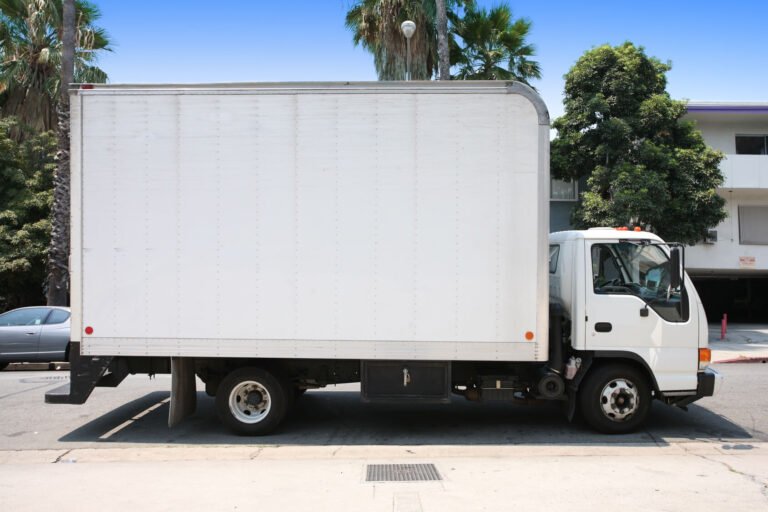

Box Truck Business Plan
A strong box truck business plan is essential for anyone learning how to start a box truck business. Whether you’re serving local retailers, moving homes, or offering short-distance freight services, your box truck becomes a core part of a business that can grow steadily with the right strategy. A clear plan helps you understand your costs, define your services, attract customers, and navigate the responsibilities that come with running a logistics operation.
Why You Need a Box Truck Business Plan
A box truck business may seem straightforward—you buy a truck and move goods—but profitability depends on structure. A well-built plan outlines who you serve, what you charge, how you operate daily, and how much you expect to earn. It also helps you calculate your box truck business start up cost, identify profitable niches, and build systems that prevent chaos as demand increases.
Most importantly, a business plan gives you direction. Instead of guessing which jobs to take or how much to charge, you operate with clarity and confidence.
Defining Your Business Model and Services
Every plan begins with understanding what you’ll offer. Box trucks can serve many markets, but choosing a primary focus makes it easier to brand your business and target customers. Some owners focus on last-mile delivery for retailers or e-commerce sellers, handling scheduled drop-offs or routes. Others find success in residential and apartment moves, furniture transport, or small office relocations. Short-distance freight hauling is another profitable option, particularly in areas with busy warehouse districts.
Many new operators combine services until they discover which brings the most consistent income. Your niche influences your equipment needs, your pricing structure, and the marketing message you present to customers.
Researching Your Market and Identifying Customers
A profitable operation begins with understanding demand. Look at your local market and note which services people request most often. Retail stores, furniture shops, restoration companies, and real estate professionals frequently need reliable delivery partners. Residential customers provide steady work as well—especially in growing cities or seasonal moving periods.
Knowing who you serve allows you to design a business plan that reflects real opportunities rather than assumptions.
Estimating Your Box Truck Business Start Up Cost
Startup costs vary widely, but your truck will account for the largest portion. Whether you buy a new box truck or start with a used one, consider mileage, vehicle size, maintenance history, and whether a liftgate is included. Fuel, tires, registration fees, insurance, and licensing add to your initial investment.
Beyond the truck itself, you’ll need essential tools such as dollies, blankets, straps, and protective equipment. Additional costs appear in marketing, a basic website, business registration, and software for scheduling or navigation. While these expenses can add up, many entrepreneurs begin with a modest budget and expand as income grows.
Building the Structure of Your Operations
Operational planning is one of the most important parts of your box truck business plan. You should have a clear understanding of how you will book jobs, communicate with customers, plan routes, and manage deliveries. Price structure also plays a major role in profitability. Some operators charge by the mile, while others use hourly or job-based pricing depending on the type of work and local demand.
Technology can simplify your daily workflow. GPS tools help you choose the fastest routes, while digital proof-of-delivery systems help you keep accurate records. Good operations reduce downtime, prevent scheduling mistakes, and create a better customer experience.
Financial Systems and the Role of Basic Accounting
Even a one-truck operation needs organized financial records. Incorporating basic accounting into your plan ensures you track income, expenses, fuel usage, maintenance, and job profitability. These records help you make better decisions, prepare for taxes, adjust pricing when necessary, and plan for future truck maintenance or fleet expansion.
A well-organized financial system is an essential support structure for your business and should be clearly outlined in your plan.
Why Understanding What an Invoice Is Matters
As your business grows, more customers—especially commercial clients—will require formal documentation. Knowing what is an invoice and how to use one ensures you get paid accurately and on time. Invoices list the services provided, the payment amount, the due date, and any special terms. They also serve as proof of work and are helpful for both your financial records and customer communication.
A professional invoicing system gives your business credibility and helps you maintain smooth, consistent cash flow.
Marketing Your Box Truck Business
A strong marketing plan is a vital part of your business plan. Your truck acts as a mobile advertisement, but your online presence is equally important. A simple website describing your services and service area helps customers find you. Registering your business on Google Business Profile improves local visibility. Relationships with retailers, contractors, and real estate agents often lead to recurring work and long-term contracts.
Marketing doesn’t need to be complicated; it only needs to be consistent.
Launching and Refining Your Services
Once your plan, truck, permits, and marketing assets are in place, you can begin taking on jobs. Start with manageable deliveries or moves to build experience and gather positive reviews. Clear communication, reliability, and careful handling help turn first-time customers into long-term clients.
Over time, you’ll see which services bring the highest profits and which require adjustments. Use this information to refine your business plan as your company grows.
Scaling Your Box Truck Business
Growth may include adding more trucks, hiring drivers or movers, offering white-glove delivery services, or securing contracts with local retailers. Expansion becomes much easier when your plan already outlines how scaling will work. Technology such as fleet management systems, digital routing tools, and customer tracking software can further support efficient expansion.
A box truck business can scale at your pace—gradually or aggressively—depending on your goals.
Final Thoughts
A well-developed box truck business plan sets the foundation for success. It clarifies everything from your service niche to your box truck business start up cost, operational workflow, pricing, marketing, and financial structure. By understanding how to start a box truck business the right way, incorporating basic accounting, and knowing how to manage professional invoicing, you build a business capable of steady growth and long-term stability.
With one truck and a strong plan, you can create a profitable logistics business that expands with demand—and with the systems you put in place today.